Need Any Help?
+8613915714335
lorry@zrtubebender.com
zhuoran logo 01

Aerospace Tube Bending Machinery

Aerospace piping assemblies require controlled geometry, stable performance, and repeatability, necessitating standardized operational procedures for materials, tooling, and inspection.

Zhuoran is dedicated to providing tube-bending equipment and tube-forming solutions for aerospace applications, including hydraulic, fuel, pneumatic, environmental control, and structural piping assemblies.

Aerospace Requirements

Tube Bending Requirements in Aerospace Manufacturing

Aerospace tube bending is different from general-purpose tube forming because the finished component may affect fluid routing, system installation, structural clearance, sealing or assembly.

Controlled Geometry

Bend angle, endpoint position, bend-to-bend distance and plane rotation should be defined from the component drawing.

Section Stability

Ovality, wall-thickness reduction, wrinkles and local section deformation may need to be controlled according to the application.

Documented Inspection

Aerospace projects may require defined datums, inspection points, sample records and production acceptance documentation.


These requirements should be defined from the component drawing and customer specification rather than from a machine catalogue value alone.

REVIEW TUBE BENDING TOLERANCES

Aerospace Applications

Aerospace Tube Components We Support

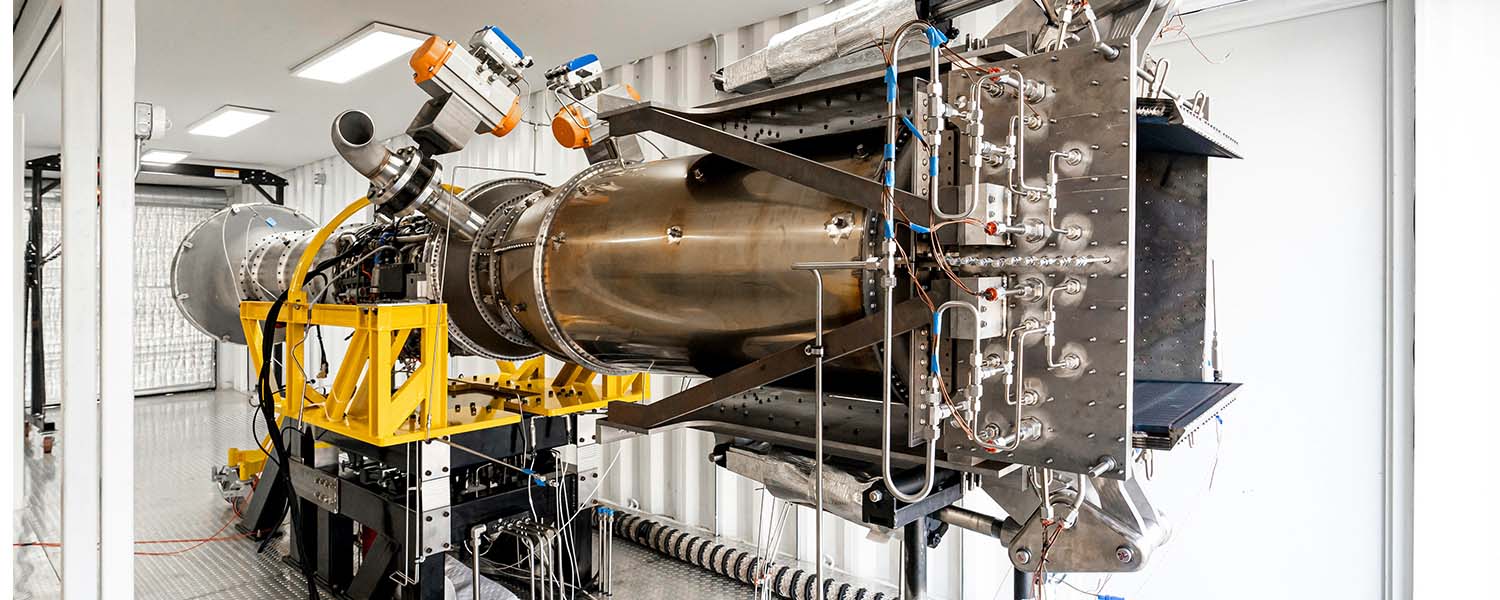
Aerospace tube components and applications

Hydraulic System Tubes

Hydraulic tubes may require controlled routing, stable end positions and attention to ovality, wall condition and connection fit.

Fuel Delivery Tubes

Fuel system tubes require controlled routing, reliable connection positions and suitable surface and cleanliness requirements.

Pneumatic Tubes

Pneumatic tubing may require multiple bends, compact routing and stable endpoints for installation.

Environmental-Control Tubes

Air-bleed and environmental-control tubing may involve complex routing, high-temperature conditions and limited installation space.

Structural Tube Components

Structural tube parts may require repeatable endpoints, stable bend planes and reliable assembly fit.

Special Equipment Tubes

Spacecraft and special equipment tubes should be evaluated according to the actual pressure, temperature, vibration and dimensional requirements.

Forming Challenges

Common Challenges in Aerospace Tube Bending

Thin-Wall Deformation

Thin-wall tubes are sensitive to flattening, wall thinning and local deformation. Mandrel and pressure-die support may be required.

Springback

Titanium alloys, stainless steel and other high-strength materials may produce different springback behaviour from batch to batch.

Cracking and Tearing

Cracking risk depends on material condition, bend radius, wall thickness, tooling, lubrication and forming parameters.

Surface Damage

Galling, tool marks and surface scratches can affect aerospace tube acceptance and downstream assembly.

Multi-Plane Geometry

Three-dimensional tubes require accurate feeding, rotation and bend sequencing to control endpoint position.

Expensive Material Scrap

High-value alloys can make trial-and-error production expensive, so drawing review and sample validation are important.
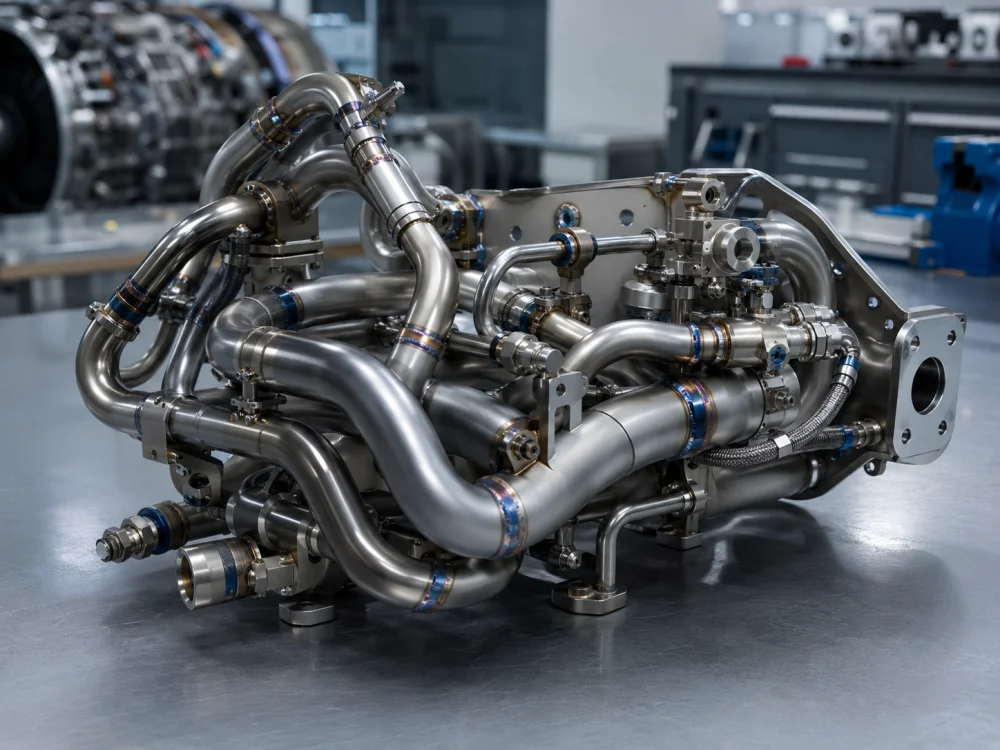
Molding solutions for aerospace tube bending

Project Workflow

Our Aerospace Tube Bending Engineering Process

01

Drawing Review

Review the 2D drawing, 3D model or tube sample. Confirm bend angles, CLR, endpoints and tolerances.

02

Material Review

Confirm material grade, material condition, tube OD, wall thickness and surface requirements.

03

Forming Assessment

Evaluate CLR-to-OD ratio, wall-thickness ratio, bend count and possible tooling interference.

04

Machine Selection

Evaluate CNC axes, feeding, rotation, mandrel support and project-specific tooling.

05

Sample Bending

Produce sample parts using the proposed machine and tooling arrangement.

06

Inspection

Compare the sample against the drawing and agreed inspection plan.

07

Program Correction

Adjust the program, tooling position or springback compensation where required.

08

Production Release

Confirm the approved sample, program data, tooling setup and acceptance documentation.


VIEW DESIGN AND ENGINEERING SERVICE

Machine Solutions

Aerospace Tube Bending Machine Solutions

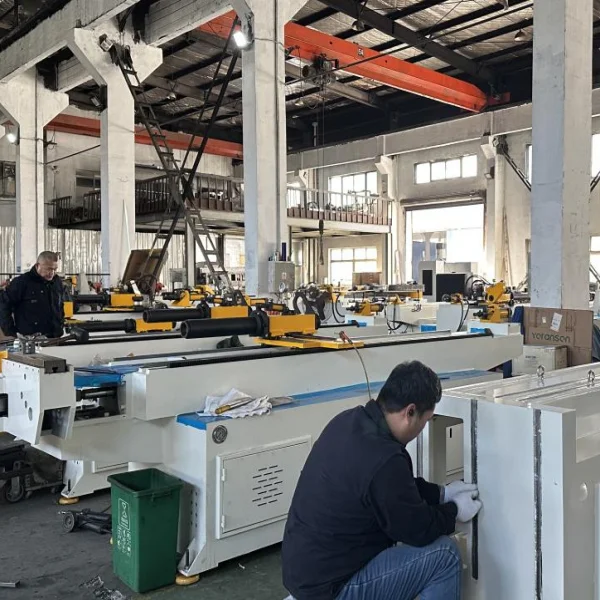
Aerospace CNC tube bending machine solution

CNC Pipe Bending Machine

CNC pipe bending machines can be evaluated for complex aerospace tubes that require controlled feeding, tube rotation, multi-bend programming and repeatable production.


View CNC Pipe Bending Machines →

NC Pipe Bending Machine

NC pipe bending machines may be considered for simpler geometries, moderate production volumes or projects that require more operator flexibility.


View NC Pipe Bending Machines →

Mandrel-Supported Bending

Mandrel-supported bending can be evaluated for thin-wall tubes, tight radii and components with strict section-deformation requirements.


Learn About Tube Ovality →

Material Considerations

Aerospace Materials and Forming Considerations

Titanium Alloys

Titanium alloys may involve springback, surface sensitivity and demanding tooling requirements.

Stainless Steel

Stainless-steel tubes may require attention to work hardening, surface protection, bend radius and repeatability.

Nickel-Based Alloys

Nickel-based alloys may require higher forming force, suitable tooling material and controlled feed speed.

Aluminum Alloys

Aluminum aerospace tubes may require attention to material condition, surface protection and springback.
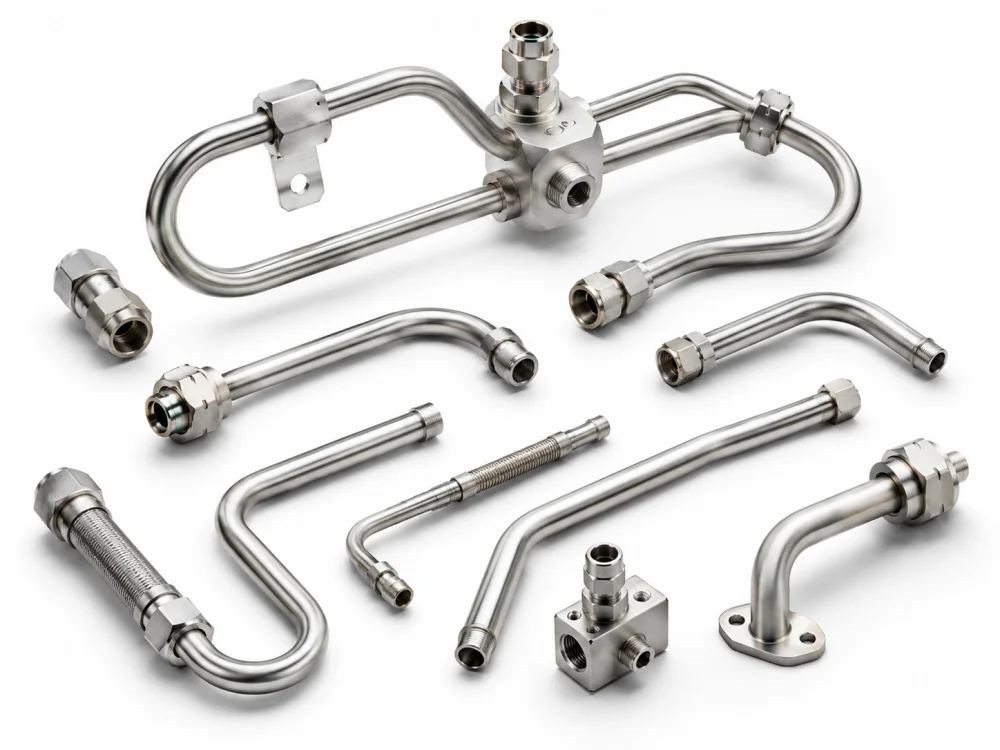
Aerospace tube materials and forming

Material Review Requirement

Please provide the exact material grade, material condition, tube OD, wall thickness and applicable customer specification before requesting a final machine recommendation.

Inspection and Acceptance

Aerospace Tube Bending Inspection and Acceptance

Aerospace tube bending inspection and acceptance

Aerospace tube bending results should be verified against the part drawing and agreed inspection plan.

  • Bend angle
  • Bend-to-bend distance
  • Tube end position
  • Plane-of-bend rotation
  • Centerline radius
  • Tube ovality
  • Wall-thickness condition
  • Wrinkles and cracks
  • Surface condition
  • Assembly or fixture fit
  • First-article inspection
  • Production repeatability

Quality Documentation

Quality Documentation for Aerospace Projects

Aerospace projects may require additional documentation for material, tooling, sample validation, inspection and production acceptance.

Material Records

Review material grade, material condition, tube specification and applicable customer requirements.

Drawing Control

Confirm drawing revision, controlled dimensions, inspection datums and acceptance criteria.

Tooling Records

Document mandrel, pressure die, clamp die, wiper die and project-specific tooling requirements.

Sample Records

Record sample bending conditions, measured results, corrections and approved production parameters.

First-Article Inspection

Establish the inspection method and reporting requirements for the approved first article.

Customer Audit Support

Review AS9100- or AS9102-related customer requirements within the agreed project scope.

Sample Validation

Validate the Aerospace Tube Before Production

For demanding aerospace tube components, sample testing is an important step before final machine selection and production release.
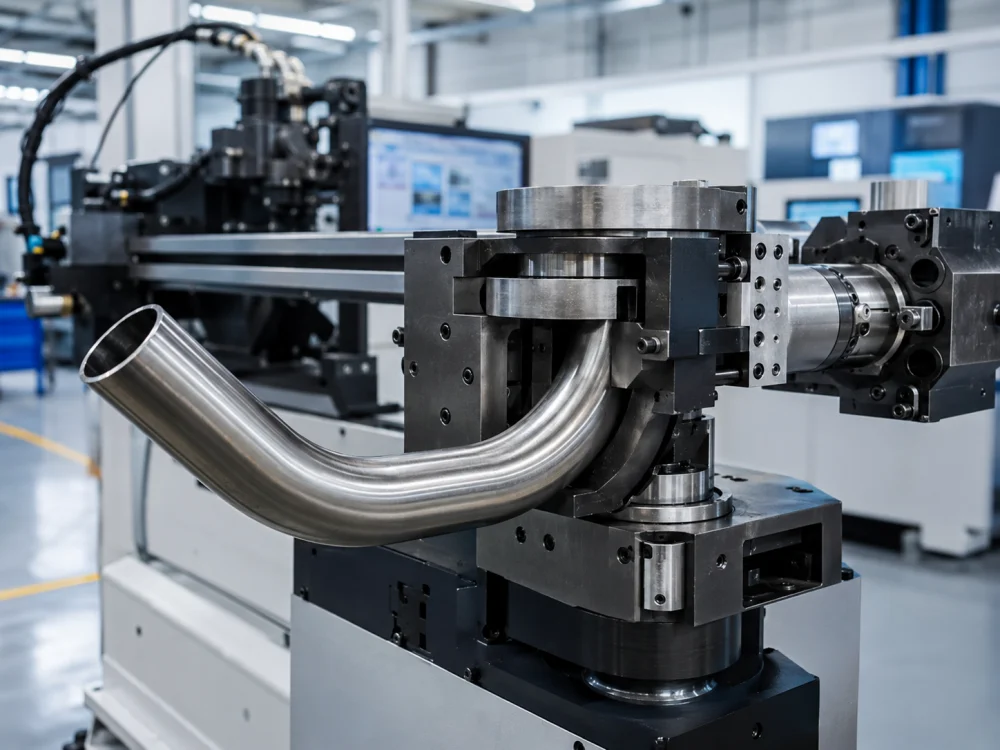
  • Machine capacity
  • Tooling arrangement
  • Mandrel and pressure-die support
  • Bend angle and bend radius
  • Endpoint position
  • Ovality and wall condition
  • Surface quality
  • Springback compensation
  • Inspection method
  • Assembly fit

REQUEST A SAMPLE TEST
Aerospace tube sample validation for hydraulic systems

Project Information

What Should You Send to an Aerospace Tube Bending Supplier?

Part and Material Information

  • 2D drawing or 3D STEP file
  • Material grade and material condition
  • Tube OD or cross-section
  • Wall thickness
  • Centerline radius
  • Bend angles
  • Number of bends
  • Rotation angles

Production and Quality Information

  • Tube end requirements
  • Surface and cleanliness requirements
  • Dimensional tolerances
  • Inspection method
  • Production quantity
  • Required documentation
  • Sample tube or finished part
  • Assembly or fixture requirements


A complete drawing-based review helps separate machine-axis accuracy, finished-part tolerance, tooling capability and inspection acceptance.

GET YOUR AEROSPACE QUOTATION
Controlled aerospace tube forming process

Aerospace Tube Forming

Build a Controlled Aerospace Tube Forming Process

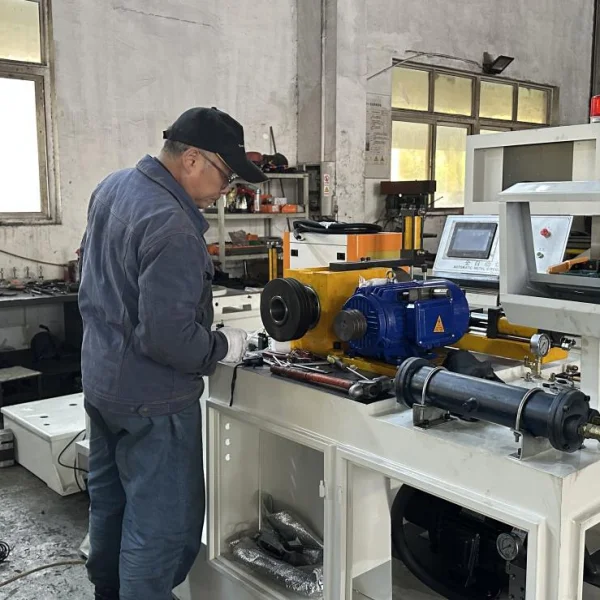
Send your aerospace tube drawing, material information, dimensional requirements and inspection criteria. Zhuoran can review the workpiece and recommend a suitable tube bending machine, tooling configuration and sample validation plan.

GET YOUR AEROSPACE TUBE BENDING QUOTATION

Aerospace Tube Bending

Get Your Aerospace Tube Bending Quotation

Send your aerospace tube drawing, material information, dimensional requirements and inspection criteria. Zhuoran can review the workpiece and recommend a suitable machine, tooling configuration and sample validation plan.

LET'S GET STARTED
What is aerospace tube bending?
Aerospace tube bending is the precision forming of tubes used in aircraft, spacecraft and related systems, including hydraulic, fuel, pneumatic, environmental-control and structural applications.
What materials can be evaluated for aerospace tube bending?
Depending on the machine, tooling and project requirements, materials such as aluminum alloys, stainless steel, titanium alloys and nickel-based alloys may be evaluated.
Can aerospace tubes be bent with a mandrel?
Mandrel-supported bending can be evaluated for thin-wall tubes, tight centerline radii and applications where ovality or section deformation must be controlled.
How are aerospace tube bending tolerances verified?
Tolerances are verified using the agreed drawing datums, inspection points and measurement method. Depending on the geometry, the process may use fixtures, digital measurement, measuring arms, CMM or 3D tube measurement systems.
Can Zhuoran support AS9100 or AS9102-related requirements?
Zhuoran can review AS9100- or AS9102-related customer requirements and support project documentation within the agreed scope. The applicable certification and audit responsibility must be confirmed for each project.
What determines the final aerospace tube bending machine configuration?
The main factors include material, OD, wall thickness, CLR, bend count, bend angle, rotation angle, tolerance, surface requirements, production volume, tooling support and inspection requirements.

Submit Your Sourcing Request

To make it easier for you to receive a quote, simply leave your information, and we will contact you as soon as possible.