
Tube Bending Machine Installation and Training
Zhuoran Machinery provides tube bending machine installation, commissioning, operator training, production validation, and remote or on-site startup support.
Pipe Bending Machine Installation, Commissioning and Training Services
From the arrival of the equipment at the factory to the realization of independent and stable production, Zhuoran Machinery assists you in completing equipment installation, system debugging, trial production and team training, helping you reduce waiting time and reduce risks in the early stages of equipment production.
Buying the right equipment is just the first step. If the installation site, power supply, mold or CNC parameters are not properly prepared, even if the equipment has arrived at the factory, it may not be put into production in time.
Zhuoran Machinery will develop a clear start-up plan for you before installation begins. Whether you are a terminal manufacturer or a local agent or distributor, you can obtain the technical information and engineering support required for equipment from arrival to stable production.
One-stop Installation Process
Adequate preliminary preparation can reduce waiting time, avoid water, electricity, gas and other conditions that do not meet requirements, and help your team complete the installation more efficiently.
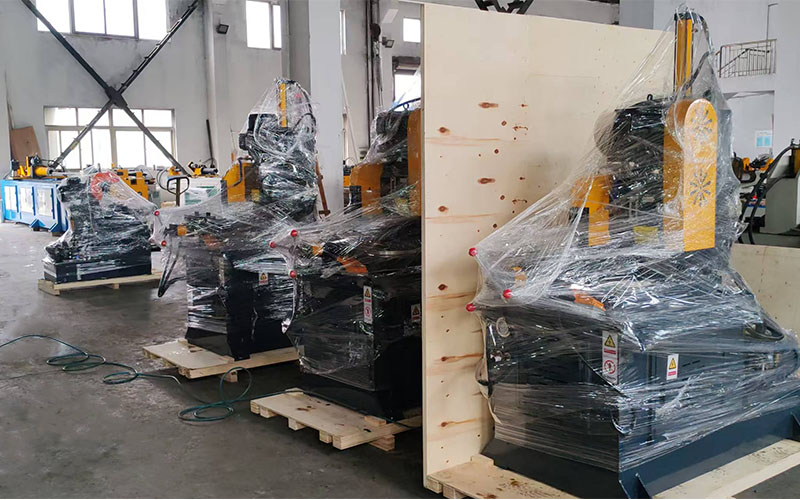
Confirmation of site conditions
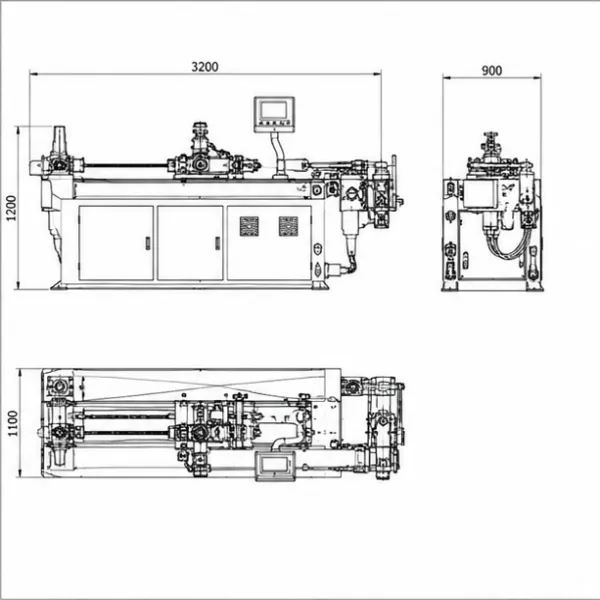
Before the equipment arrives, Zoran Machinery will provide equipment layout diagrams, required operating space, equipment weight, power supply specifications, air pressure requirements, and hydraulic oil information where applicable.
You can prepare the factory floor, power supply, hoisting equipment, trial production pipes, measurement tools, and related personnel in advance based on this information to avoid common problems such as insufficient loading space, voltage mismatch, or unprepared test machine materials.
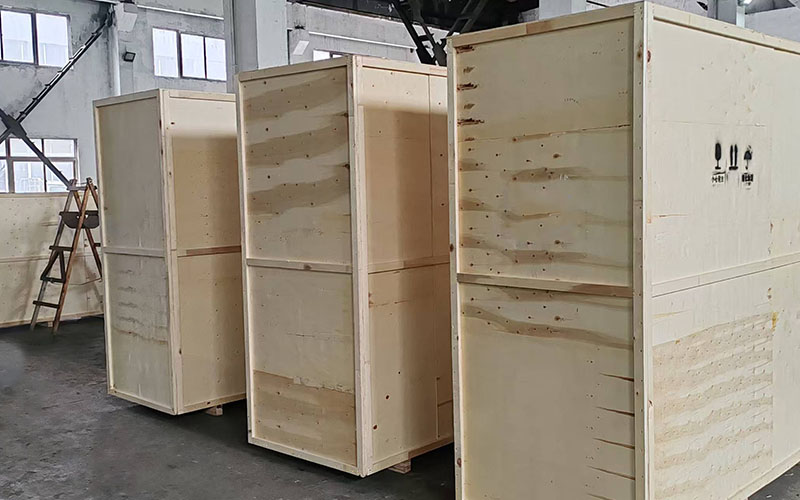
Service plan confirmation
We will confirm with you whether the project requires remote guidance, on-site installation, operational training, or complete automated production line debugging.
For standard stand-alone machines, remote installation guidance can usually suffice if you have experienced technicians. For multi-axis equipment, double-head pipe bending machines, robotic workstations or automated production lines, it is generally recommended to arrange for on-site support from engineers.
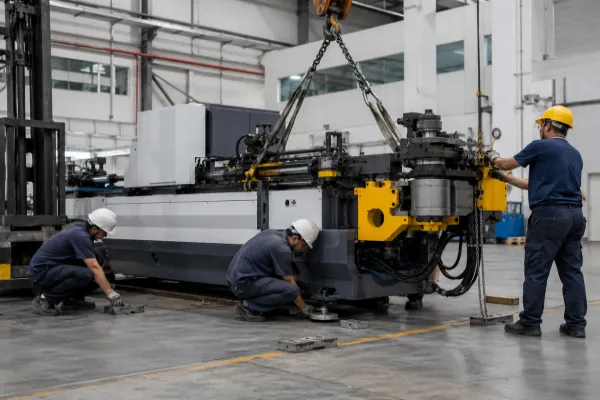
Device positioning and system connection
After the equipment is unboxed, your team needs to check the main unit, molds, and accessories against the packing list. Then complete the equipment positioning, leveling and inspection according to the installation requirements, and then connect the power supply, grounding, compressed air, hydraulic system and other auxiliary equipment.
Zhuoran engineers will guide you to use the correct lifting position and installation sequence to avoid damage to precision components such as the pipe bending head, feeding trolley, and operating arm.
Initial power-on inspection
Before the equipment enters automatic operation, we will check the CNC system, servo drives, sensors, limit switches, hydraulic functions, lubrication systems, emergency stop devices and other safety functions.
Only after the mechanical, electrical and safety functions pass basic inspections does the equipment enter the formal commissioning phase, thereby reducing the risk of malfunctions, mold damage and unsafe starts.
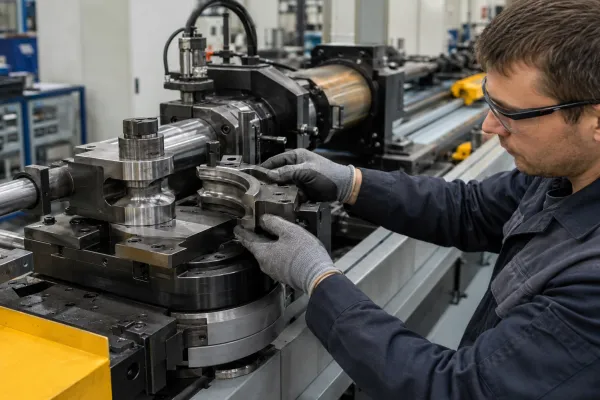
CNC Pipe Bending Machine Setup Service
The function of debugging is to adjust a piece of installed equipment into a production system that can process your actual products.
Movement of each axis and mold debugging
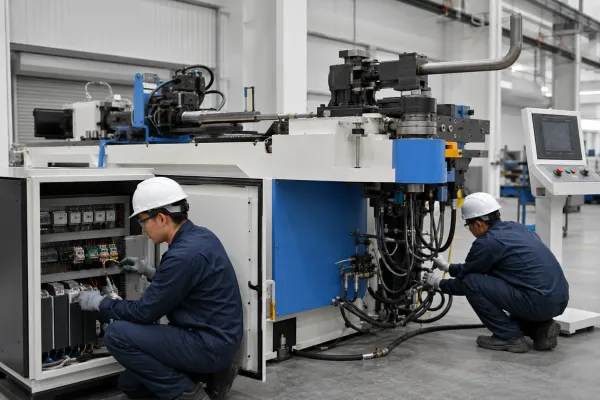
Our engineers will test the actions of feeding, rotation, bending, clamping, mandrel, die and auxiliary mechanisms respectively according to the equipment configuration, and confirm the movement direction, speed, stroke limit, sensor response and repeatability.
The bending dies, clamping dies, compression dies, mandrels and anti-wrinkle dies are then installed and calibrated. Correct mold adjustment can help you reduce pipe slipping, wrinkling, flattening, scratches, and unstable bending angles.
CNC program and parameter settings
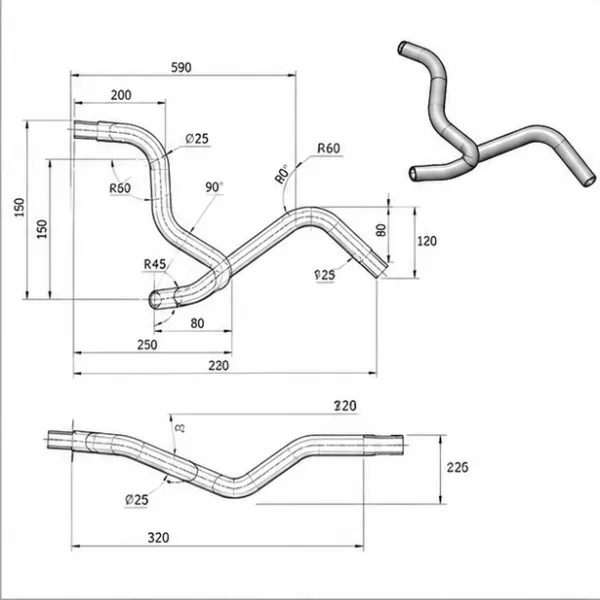
Zhuoran will set up the initial production program for the equipment based on the product drawings and workpieces confirmed by both parties. The main parameters usually include feeding length, pipe rotation angle, bending angle, bending speed, clamping sequence, mandrel position and springback compensation, etc.
What you get is not a blank control system, but a proven foundational program. This can shorten the initial setup time, reduce trial and error, and provide operators with a stable reference for subsequent production.
Trial production and equipment acceptance
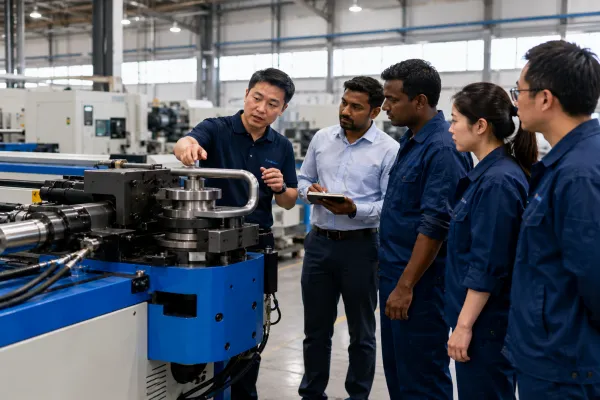
During the trial production phase, the actual pipes, molds and procedures agreed upon are used for processing. We will check the bending angle, straight line length, pipe rotation direction, overall product size, surface condition and the entire operating process.
If necessary, engineers will continue to adjust the mold position and process parameters until the product reaches the production requirements agreed upon by both parties. This process is used to confirm that the equipment, molds and CNC programs can work together stably.
Equipment acceptance usually includes the agreed equipment functions, CNC axes, molds, safety devices, automatic operation processes, sample quality and technical documents.
For agents and dealers, this process can form a clear record of equipment delivery and acceptance, making it easier for you to complete secondary delivery to local end customers. For end users, it can be confirmed that the equipment has adapted to local factory conditions and has formal production capabilities.
Operator and technician training
Training can help your team operate independently and avoid relying on overseas engineers for every parameter adjustment.
Operator training
Your operators will learn safety on and off, manual and automatic modes, pipe loading and unloading, program calling, basic CNC programming, mold installation, product changeovers and first article inspection.
Training will be conducted using actual delivered equipment, molds and agreed workpieces as much as possible, allowing operators to directly practice the processes that need to be performed in daily production, rather than just memorizing the buttons on the control panel.
Maintenance and technical training
Technicians will receive basic training on lubrication points, hydraulic and pneumatic inspection, sensor cleaning, mold wear, alarm recording, parameter backup and safety maintenance.
The purpose of training is to help your team recognize normal equipment status, avoid incorrect adjustments, and be able to complete basic inspections independently. Long-term fault repair, spare parts supply and in-depth technical support are handled by Zoran’s after-sales service system.
Agent and dealer training
If you are an agent or regional dealer, Zoran can provide equipment operation and technical delivery training for your service team.
Your technicians will learn how to introduce equipment, assist with installation, check basic conditions, call programs, adjust molds, and handle common operator questions. This can help you provide faster services in local markets and increase end-customer confidence in Zoran equipment.
Remote and on-site support solutions
You can choose the appropriate service method based on equipment complexity, local technical capabilities, project schedule and budget.
Remote installation support
For eligible standard equipment, Zoran can assist your team in completing installation and debugging through video conferencing, installation photos, control interface sharing, wiring inspection, electronic instructions and step-by-step start-up guidance.
Remote support can reduce the waiting time for engineers to travel, and also facilitates experienced local technicians or dealers to complete equipment startup under the guidance of Zoran engineers.
Field engineer support
For complex CNC equipment, double-head pipe bending machines, robot workstations, automatic feeding systems and integrated production lines, it is recommended to arrange on-site service by engineers.
Engineers can assist with installation confirmation, system start-up, axis calibration, mold adjustment, program setting, trial production, personnel training and final acceptance. The specific service scope and time are determined according to the project contract.
Technical Documents and Production Handover
Clear technical handoffs can help your team save validated parameters and continue to operate equipment stably after training.
Technical documents
Depending on the equipment configuration, Zoran can provide documents such as operating instructions, installation guides, electrical diagrams, hydraulic diagrams, mold lists, CNC parameter records, safety instructions and training records.
These materials can be used for internal training, production standardization and handover of new employees. Local language versions of the technical documentation can be negotiated during the order confirmation stage.
Independent production handover
Before the end of the service, your operators should be able to independently complete equipment start-up, correct program calling, agreed mold installation, qualified first-piece processing, and normal automatic production cycles.
For agents and dealers, this handover process can also help you establish standardized installation and training methods to serve subsequent local customers.
Plan Your Tube Bending Machine Installation
Prepare your factory and production team before the equipment arrives. Send Zhuoran Machinery your machine model, factory conditions, utility information, and preferred service method.
Our team will help you confirm the installation requirements, commissioning scope, training plan, and customer preparation checklist.
1. What preparations are needed before installing a pipe bending machine?
You will need to prepare workshop space, sufficient floor load-bearing capacity, a stable power supply, a standard air supply, unobstructed lifting access, and a good workshop environment.
2. What is the standard installation procedure after the machine arrives?
The entire process includes machine positioning and anchoring, precise leveling, electrical wiring, hydraulic and pneumatic system checks, and no-load trial operation.
3. How long does installation and full commissioning take?
Usually, all work can be completed and trial production can begin within 2-4 working days.
4. After commissioning, how do we confirm that the bending accuracy meets mass production standards?
We will test and check several key indicators: bending angle tolerance, pipe length error, springback compensation effect, pipe ovality, wrinkling, and surface scratches.
5. What does the pipe bending machine operator training include?
The training content includes basic machine operation, CNC program editing, parameter adjustment, mold replacement, safe operating procedures, daily maintenance, and simple troubleshooting.