
Pipe End Chamfering Machine — 3.5 Seconds Per Tube End
One clamp. Three chamfer faces. Zero hand filing.
- 60mm max pipe / 30mm solid bar · 3.5s cycle — 800+ ends per hour
- Inner + outer + face in one pass · 180kg tabletop — fits any workshop
- Carbide tooling rated for stainless steel · CE / ISO 9001 factory direct
DJ60NC Pipe End Chamfering Machine — Technical Specifications
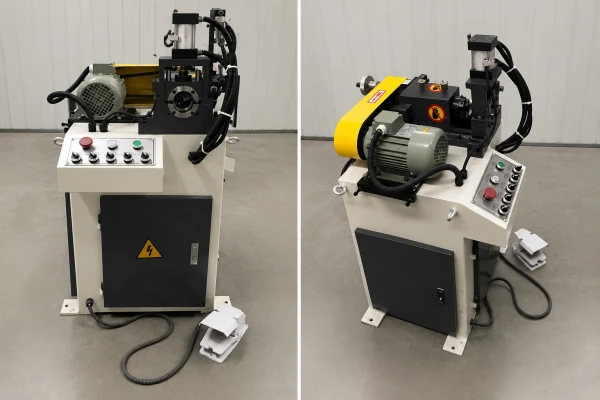
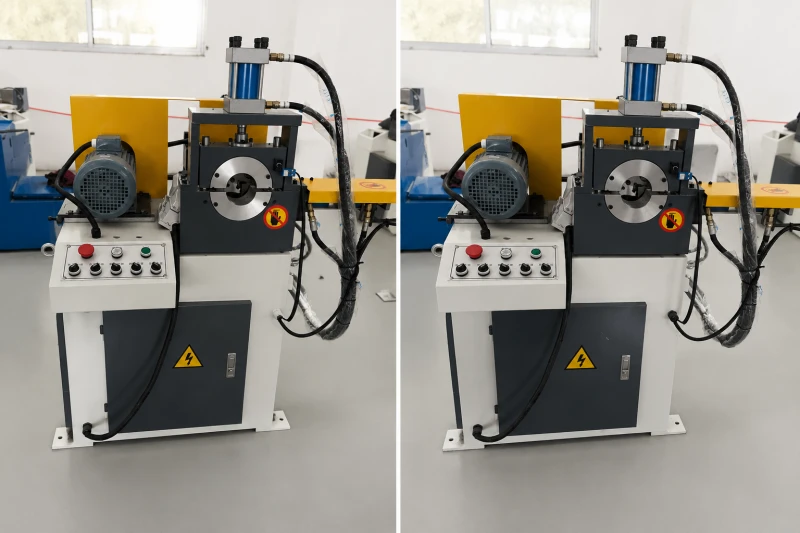
The DJ60NC is a single-head pneumatic pipe end chamfering machine built for workshops that need speed and consistency without a hydraulic price tag. One clamping operation finishes the inner chamfer, outer chamfer, and end face — no repositioning, no second setup.
| Parameter | Value | What It Means for Your Shop |
|---|---|---|
| Pipe capacity | Ø10mm – Ø60mm | Covers furniture tube, handrail, and automotive pipe in one machine |
| Solid bar capacity | Ø5mm – Ø30mm | Handles round and hex bar without switching equipment |
| Wall thickness range | 0.3mm – 3.0mm | Thin-wall stainless won’t crush; thick-wall steel cuts clean |
| Cycle time | ~3.5 seconds per end | 800+ ends per hour — replaces 3 workers with hand files |
| Motor | 380V / 0.75kW | Standard industrial power; minimal electricity cost per cycle |
| Dimensions | 500mm × 700mm × 600mm | Fits on a standard workbench — no foundation or pit required |
| Weight | 180kg | Heavy enough for stability; light enough to reposition with a pallet jack |
| Tooling | Custom carbide inserts | Rated for stainless steel; one set lasts months in production |
| Pneumatic system | Miaode cylinder + solenoid valve | Japanese-design pneumatics; consistent feed pressure every cycle |
| Electrical components | Chint contactors & relays | Widely available spares; no proprietary electronics |
| Motor supplier | Nantong Yuandong | Proven industrial motor; continuous-duty rated |
| Machine body | Custom-cast iron head + frame | Absorbs vibration; holds tool alignment shift after shift |
DJ60NC Pipe End Chamfering Machine Product Description
The DJ60NC pipe end chamfering machine is a pneumatic single-head chamfering station designed for workshops processing 10–60mm tubing. As a compact single head chamfering machine, it cuts inner chamfer, outer chamfer, and end face in a single clamping cycle — no tool changes, no part flipping. Think of it as a pipe end facing machine and chamfering tool combined into one bench-top unit.
At the core is a custom-cast iron head with a dual-speed feed stage: rapid approach followed by a controlled slow cut. This paired with proprietary carbide tooling lets the machine handle everything from 0.3mm stainless tube walls to 3mm steel pipe without deformation or chatter. The Miaode pneumatic system delivers repeatable feed pressure, so chamfer depth stays consistent from the first part to the five-hundredth.
Typical applications span steel furniture leg finishing, stainless handrail end prep, automotive small-part deburring, and HVAC copper fitting. This is not a general-purpose bench grinder — it is a purpose-built tabletop chamfering machine that replaces manual filing with a repeatable 3.5-second cycle.
Compared to hydraulic chamfering machines, the DJ60NC costs roughly half, weighs a third, and requires zero hydraulic oil maintenance — while delivering production-grade throughput for shops running 200–2,000 parts daily.
Our Pipe End Chamfering Machine Range
Not sure which pipe end chamfering machine fits your workflow? Send us your material, diameter, and daily volume — we’ll recommend the right model.
| Model | Type | Capacity | Best For |
|---|---|---|---|
| DJ60NC | Single-head pneumatic | 10–60mm pipe / 5–30mm bar | Small-to-mid workshops; multi-material; budget-sensitive |
| Pneumatic Series | Single / double-head pneumatic | Up to 80mm pipe | Higher throughput; dual-end simultaneous chamfering |
| Hydraulic Series | Single / double-head hydraulic | Up to 150mm+ pipe | Heavy-wall steel pipe; high-volume production lines |
Notes:Long workpieces require suitable external support and safe material handling. Confirm the final machine layout before ordering.
Specification note: Cycle time and machining performance depend on material type, wall thickness, end geometry, tooling selection, and production requirements. Zhuoran confirms the final machine configuration based on the customer’s workpiece specifications.
Why the DJ60NC Pipe End Chamfering Machine
3.5-Second Cycle — 800 Ends Per Hour
In a small factory, manually filing 300 pipe ends, each taking 30 seconds, would require 2.5 man-hours. Using a DJ60NC file, the same 300 pipe ends can be filed in just 17 minutes.
This translates to a saving of 2 hours and 13 minutes per day. Assuming an hourly labor cost of $15, this time saving alone amounts to $15 per hour, or $600 per month—recovering the machine’s cost in less than three months.
One-Pass Three-Face Chamfering
Inner chamfer. Outer chamfer. End face. Three operations that take three separate passes by hand — done in one clamp, one cycle, on the DJ60NC. The custom tool geometry cuts all three faces simultaneously. You load. You clamp. You unload a finished part. No flipping. No repositioning. No inconsistency between operators.
Carbide Tooling That Outlasts Steel
The DJ60NC uses custom-ground carbide inserts, not generic HSS tool bits. Carbide holds its edge on stainless steel, alloy tube, and abrasive materials that chew through standard tooling in hours. Most production shops running 500–1,000 parts daily replace inserts every 3–6 months. The tool cost per part is fractions of a cent. This is where your money should go — not into the machine itself, but into tooling that delivers year-round consistency.
Compact Tabletop Footprint
At 500mm × 700mm × 600mm and 180kg, the DJ60NC fits on a standard workshop bench. No foundation bolts. No hydraulic power pack taking up floor space. No dedicated operator station required. Plug in 380V and compressed air, and the machine is in production. If your shop layout changes next quarter, move it with a pallet jack in five minutes. This is a tabletop chamfering machine that earns its footprint.
One Clamp, Three Chamfer Faces — Done in 3.5 Seconds
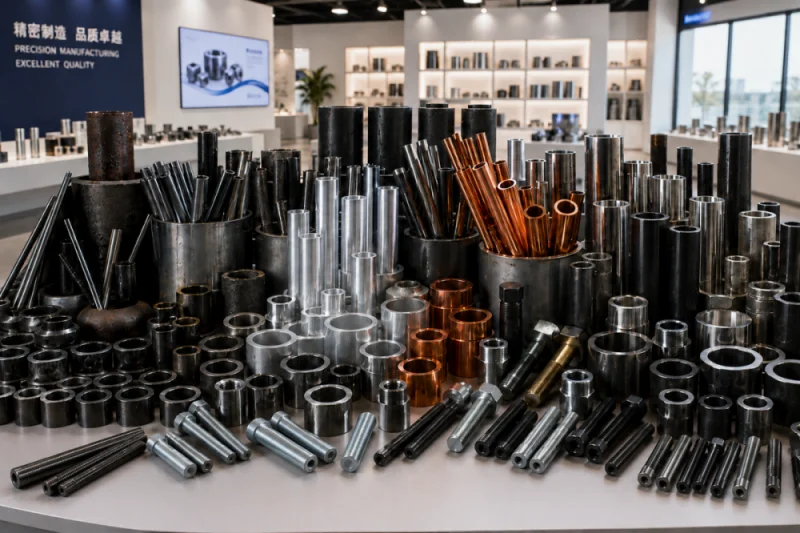
If you are still filing tube ends by hand, here is the reality: inner chamfer, outer chamfer, and end face are three separate manual operations. Each requires picking up the file, checking the angle, and hoping your hand repeats what it did five minutes ago. Fatigue sets in by part 50. By part 200, chamfer depth varies enough that your customer notices.
The DJ60NC pipe end chamfering machine eliminates all three variables. One pneumatic clamp holds the tube. One tool head cuts all three faces simultaneously. One 3.5-second cycle. The chamfer on part 500 matches the chamfer on part 1. That is not a claim — it is what happens when you replace human hands with a cast-iron fixture, a controlled pneumatic feed, and carbide tool geometry that does not wander.
Stop Filing: The Math Behind Hand vs Machine Chamfering
Thirty seconds per tube end by hand. Three hundred ends a day. That is 150 minutes — two and a half hours — of filing. At a loaded labor cost of 15/hour,yourshopspends15/hour,yourshopspends37.50 every single day just on end chamfering. Multiply by 22 working days: $825 per month.
The same 300 ends on the DJ60NC: 17.5 minutes total. Labor cost: 4.38perday.Monthly:4.38perday.Monthly:96. That is a $729 monthly delta — on labor alone.
Now add the cost of rework. Hand-filed chamfers vary. Your customer receives 1,000 furniture legs where 40 have inconsistent end finishes. They reject the batch, or worse, they accept it once and never reorder. A machine does not just save time — it protects relationships. Do the math backwards: how many lost customers does inconsistent hand-finishing cost you per year?
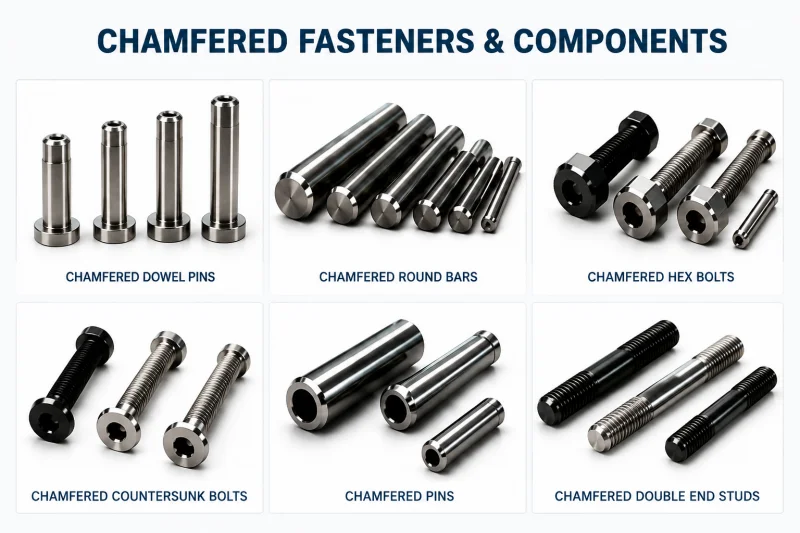
0.3mm Wall? This Pipe End Chamfering Machine Won't Crush It
Thin-wall stainless tube presents a specific problem for chamfering: the wall is so thin (0.3–0.8mm) that hand filing distorts the roundness, and aggressive machine feeds crush the tube end before the cutter even engages.
The DJ60NC handles this with a dual-stage feed cycle. The pneumatic cylinder first advances the tool head rapidly to approximately 2mm from the tube face. Then it shifts to a controlled slow-feed rate for the actual cutting pass. The tool engages gradually, not abruptly. Combined with the custom carbide tool geometry — which presents a positive rake angle optimized for stainless — the cutting action shaves material cleanly without deformation.
This makes the DJ60NC a practical pipe end chamfering machine for stainless steel tube from 0.3mm wall thickness upward. The same dual-feed mechanism works equally well on aluminum (no galling), copper (no tearing), and PVC/nylon tube (no melting from friction heat).
Applications
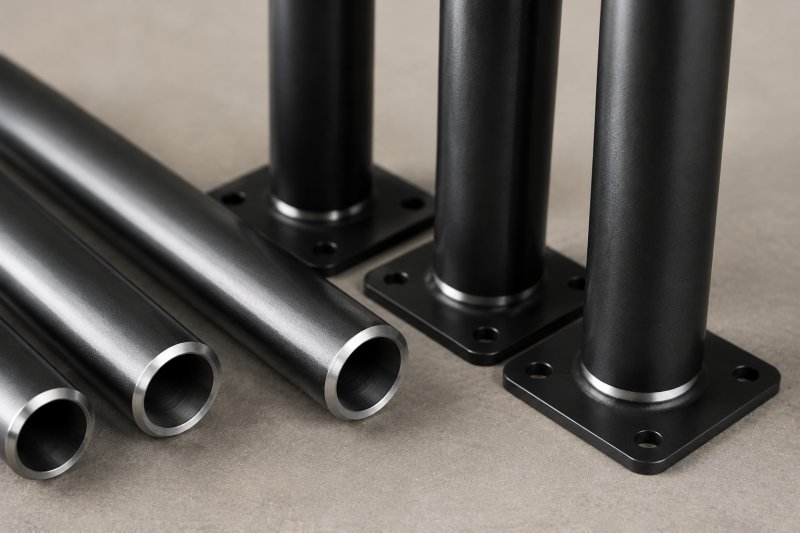
Steel Furniture Tube Legs
Furniture manufacturers processing chair legs, table bases, and bed frames run thousands of identical tube lengths per batch. Each leg needs a clean outer chamfer for safe handling and a flat end face so the leg sits flush on the floor.
As a dedicated tube end chamfering machine, the DJ60NC finishes both in one pass at 800 ends per hour — no filing station, no inconsistent hand results, no sharp edges that cut your customer’s hands during assembly. For shops producing powder-coated steel furniture, the consistent chamfer prevents coating buildup at the tube edge that causes peeling.
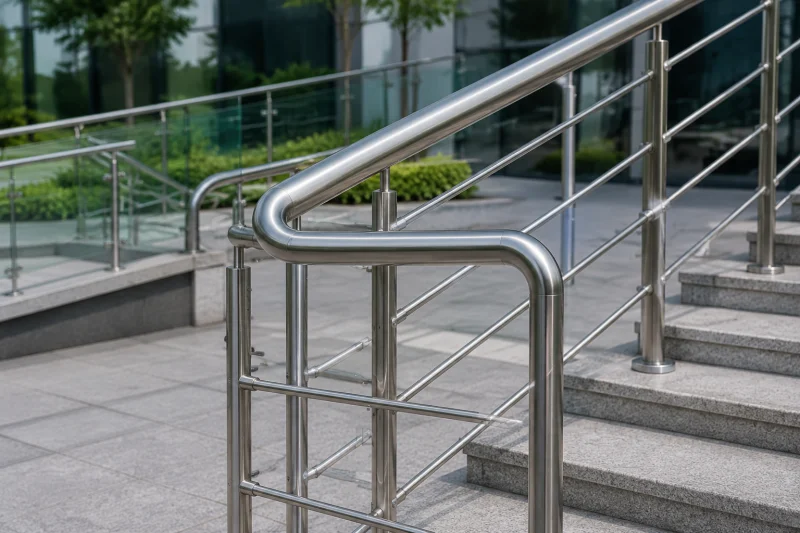
Stainless Steel Handrails & Balustrades
Stainless handrail fabricators know the problem: a poorly chamfered tube end is visible. The joint between rail sections shows gaps, the weld prep is uneven, or the end face doesn’t sit square against the mounting bracket.
The DJ60NC delivers a uniform chamfer profile on every 38mm and 50mm stainless handrail tube, so fit-up is consistent and weld seams are predictable. Inner chamfer deburring also matters — a sharp internal edge cuts cables pulled through the rail during installation.
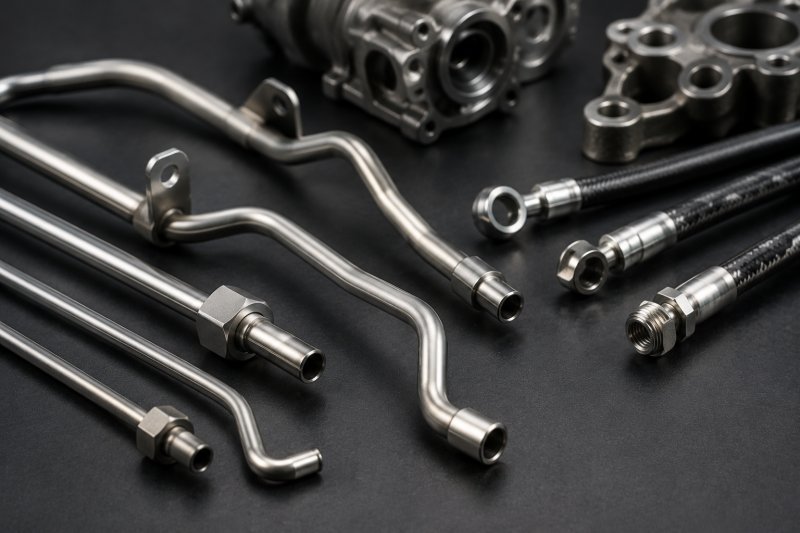
Automotive Small Parts & Fluid Lines
Brake lines, fuel rails, turbo oil feed pipes, and small-diameter stainless fluid tubing all require clean, burr-free end preparation before flare forming or brazing.
The DJ60NC handles Ø10mm–Ø25mm automotive tube, cutting the end face square and applying a controlled inner/outer chamfer. For 304 and 316 stainless, carbide tooling maintains edge life across production runs. This small pipe chamfering machine fits on a bench next to your tube bender, so parts move from bend to chamfer without walking across the shop.
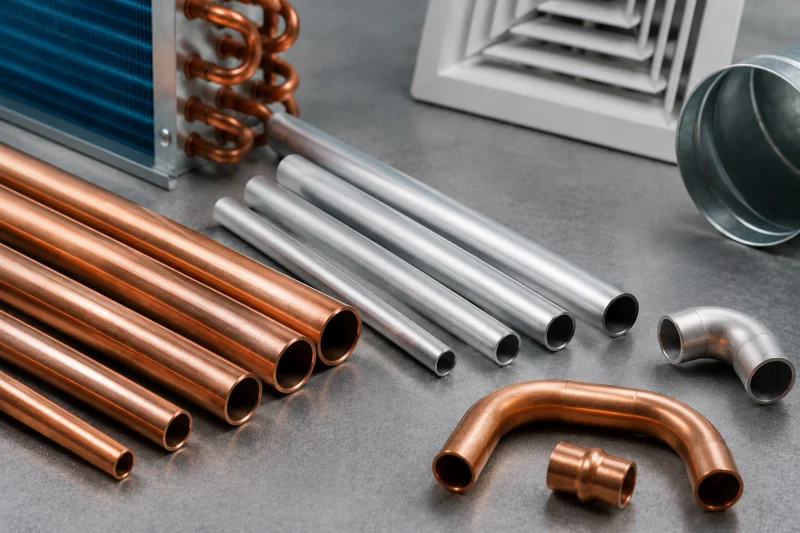
HVAC Copper & Aluminum Tube
Copper HVAC tube chamfering for brazed joints is non-negotiable — a burr on the tube end creates a leak path. The DJ60NC’s dual-speed feed prevents copper tear-out common with single-speed machines.
Aluminum condenser tubing benefits from the same controlled approach: no galling, no smearing, clean chamfer ready for assembly. Switch from copper to aluminum in under two minutes by swapping the tool insert — no recalibration required.
Get Your Custom Machine Quotation Now
Zhangjiagang Zhuoran Machinery manufactures equipment for tube bending, cutting, end forming, rolling, sealing and chamfering. The company catalogue describes an in-house R&D team, production facilities, inspection controls and export support for international projects.
You can send a drawing, tube sample or finished-part requirement. The engineering team will review the workpiece range, tooling, utilities and line layout before quotation.
What pipe sizes can this machine handle?
The DJ60NC handles tubes from Ø10mm–Ø60mm OD and solid bars from Ø5mm–Ø30mm. It supports wall thicknesses from 0.3mm–3.0mm, suitable for furniture, handrails, automotive, and HVAC applications.
Can it chamfer inner, outer, and face edges in one pass?
Yes. The DJ60NC performs inner chamfer, outer chamfer, and end-face chamfering in one clamping cycle with no repositioning or tool changes.
How fast is the chamfering cycle?
One tube end takes about 3.5 seconds, reaching 800–1,000 ends/hour depending on material and size. It is much faster and more consistent than manual filing.
Can it process stainless steel and thin-wall tubes?
Yes. It is designed for 304/316 stainless steel and thin-wall tubes down to 0.3mm. Pneumatic feeding prevents deformation and ensures stable results. It also works with aluminum, copper, carbon steel, PVC, nylon, and more.
How long do carbide inserts last?
Tool life is typically 3–6 months under normal production conditions. Insert replacement takes less than 5 minutes.